 Microsoft Windows 10 / Microsoft Windows Server 2016 – CDPUserSvc Probleme
Der Befehl weist Windows an den Dienst in einem eigenen Prozess auszuführen
Microsoft Windows 10 / Microsoft Windows Server 2016 – CDPUserSvc Probleme
Der Befehl weist Windows an den Dienst in einem eigenen Prozess auszuführen
Microsoft Server 2016 Windows Update – langsam kann aber beschleunigt werden
Users can install and run multiple versions of the .NET Framework on their computers. When you develop or deploy your app, you might need to know which .NET Framework versions are installed on the user’s computer
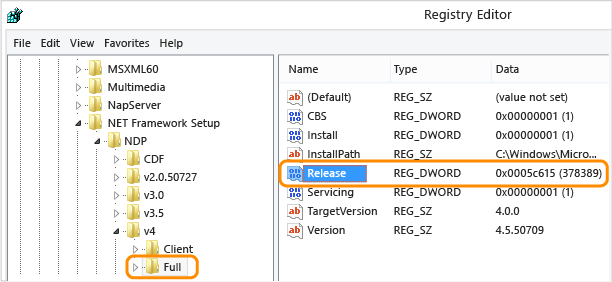 HKEY_LOCAL_MACHINE\SOFTWARE\Microsoft\NET Framework Setup\NDP\v4\Full
To resolve this issue upgrade to Windows Server 2016 the issue is fixed in this version of Windows Server
A remote code execution vulnerability exists in Remote Desktop Services formerly known as Terminal Services – when an unauthenticated attacker connects to the target system using RDP and sends specially crafted requests. This vulnerability is pre-authentication and requires no user interaction. An attacker who successfully exploited this vulnerability could execute arbitrary code on the target system. An attacker could then install programs; view, change, or delete data; or create new accounts with full user rights
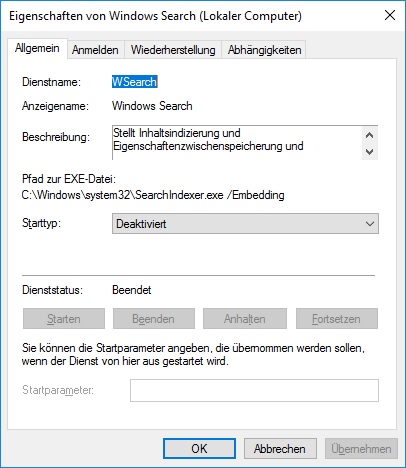
 Microsoft Windows Server 2016 & 2019 – this is because indexing of the volumes can cause problems in certain scenarios such as with Cluster Shared Volumes (CSV) and in running Remote Desktop Session Host (RDSH) with multiple simultaneous sessions
Microsoft Local Administrator Password Solution (LAPS) – to automatically manage local administrator passwords on domain joined computers so that passwords are unique on each managed computer, randomly generated, and securely stored in Active Directory infrastructure. The solution is built on Active Directory infrastructure and does not require other supporting technologies. LAPS uses a Group Policy client-side extension (CSE) that you install on managed computers to perform all management tasks. The solution’s management tools provide easy configuration and administration
 The answer is NO defragmentation for both – defragmentation also generates more I/O to the disk. This could be more of a concern to customers than any possible performance improvement that might be gained from the defrag. I should point out that I have read that, internally at VMware, we have not observed any noticeable improvement in performance after a defragmentation of Guest OSes residing on SAN or NAS based datastores. I also want to highlight an additional scenario that uses an array based technology rather than a vSphere technology. If your storage array is capable of moving blocks of data between different storage tiers (SSD/SAS/SATA), e.g. EMC FAST, then defragmentation of the Guest OS doesn’t really make much sense. If your VM has been running for some time on tiered storage, then in all likelihood the array has already learnt where the hot-blocks are, and has relocated these onto the SSD. If you now go ahead and defrag, and move all of the VM’s blocks around again, the array is going to have to relearn where the hot-spots are
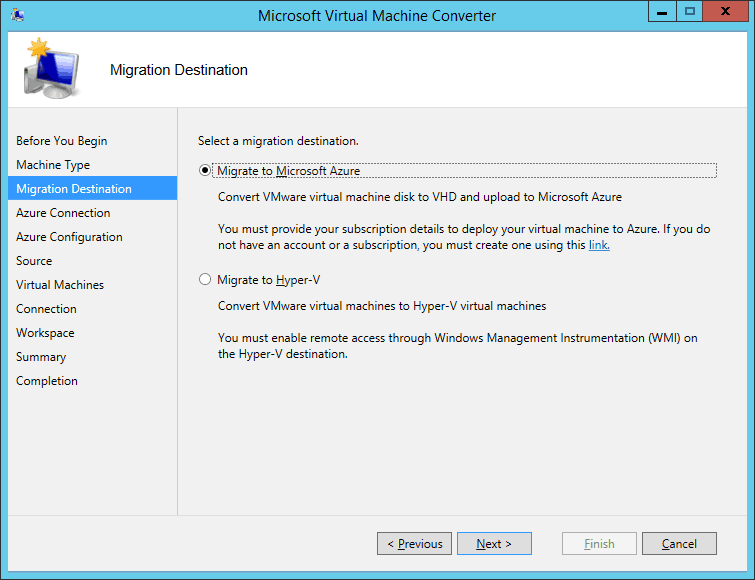
Microsoft Virtual Machine Converter (MVMC) 3.0 – is a freely-available tool provided by Microsoft for the purpose of converting VMware virtual machines and physical computers to Hyper-V virtual machines
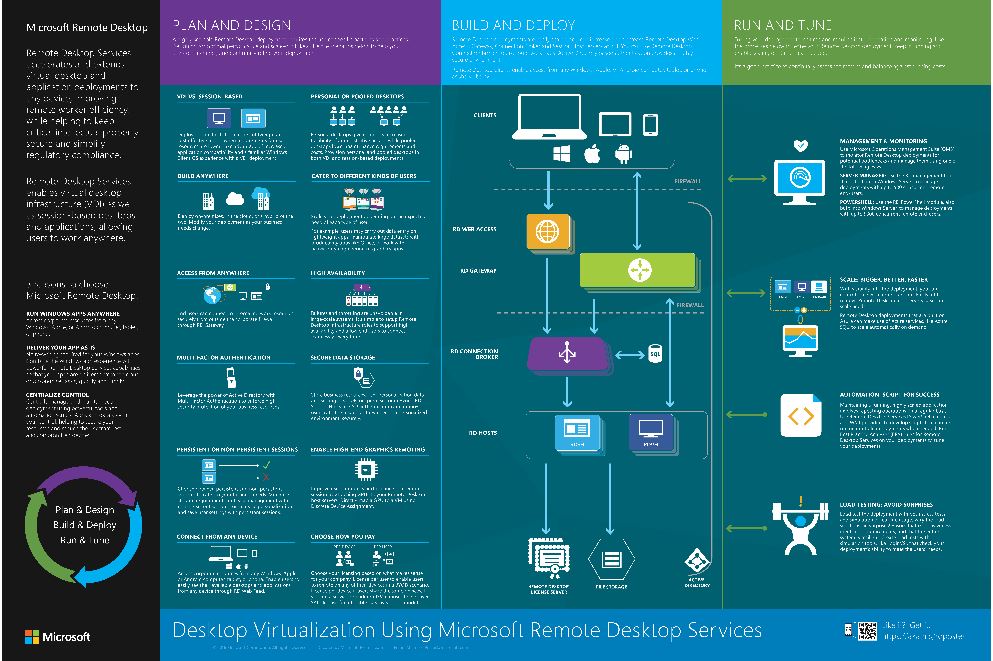
Microsoft Windows Server Remote Desktop Services (RDS) – a poster to help you plan, build, and run your RDS Environment
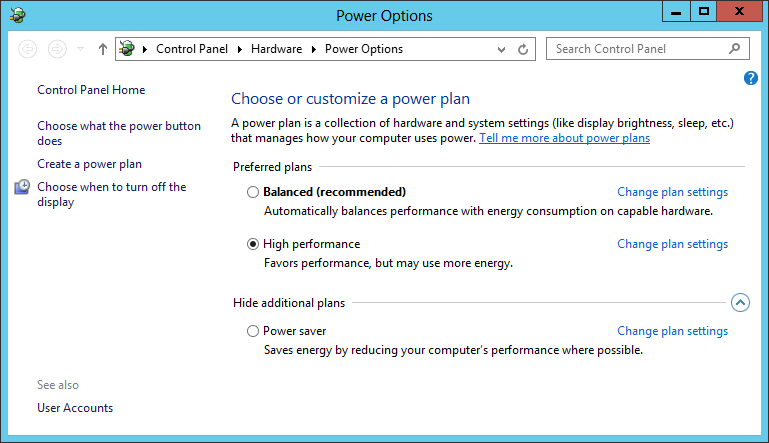
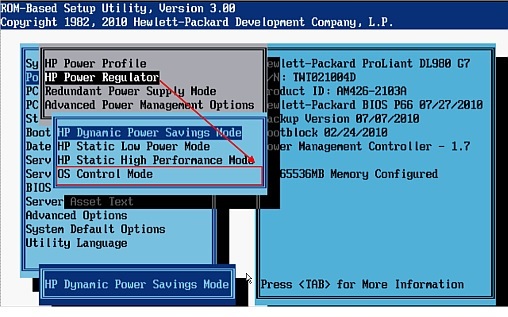
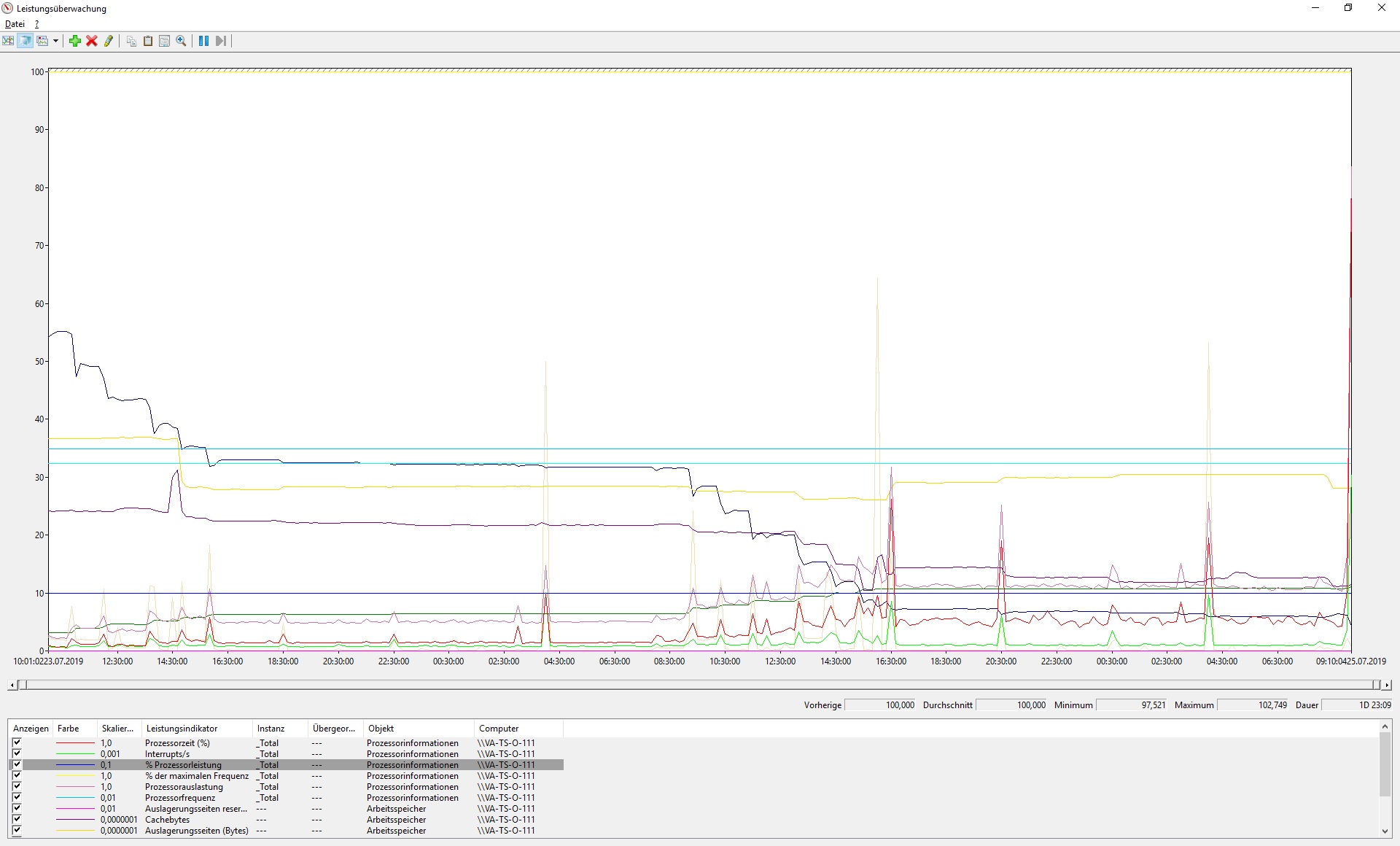
Microsoft Windows Server 2008 R2 / 2012 R2 / 2016 – Leistungsprobleme bei Verwendung des Energiesparplan „Ausbalanciert“